





At night, while we sleep, we process sensory stimuli that we have absorbed and stored during the day. But can our brain also store new knowledge during our night’s sleep?
Nicht glauben, sondern wissen
At night, while we sleep, we process sensory stimuli that we have absorbed and stored during the day. But can our brain also store new knowledge during our night’s sleep?

Anyone who has ever been tickled for longer than a few seconds knows that it can be real torture – our body compels us to laugh as a reflex. However, anyone who tries to tickle themselves will invariably fail. Why is that?
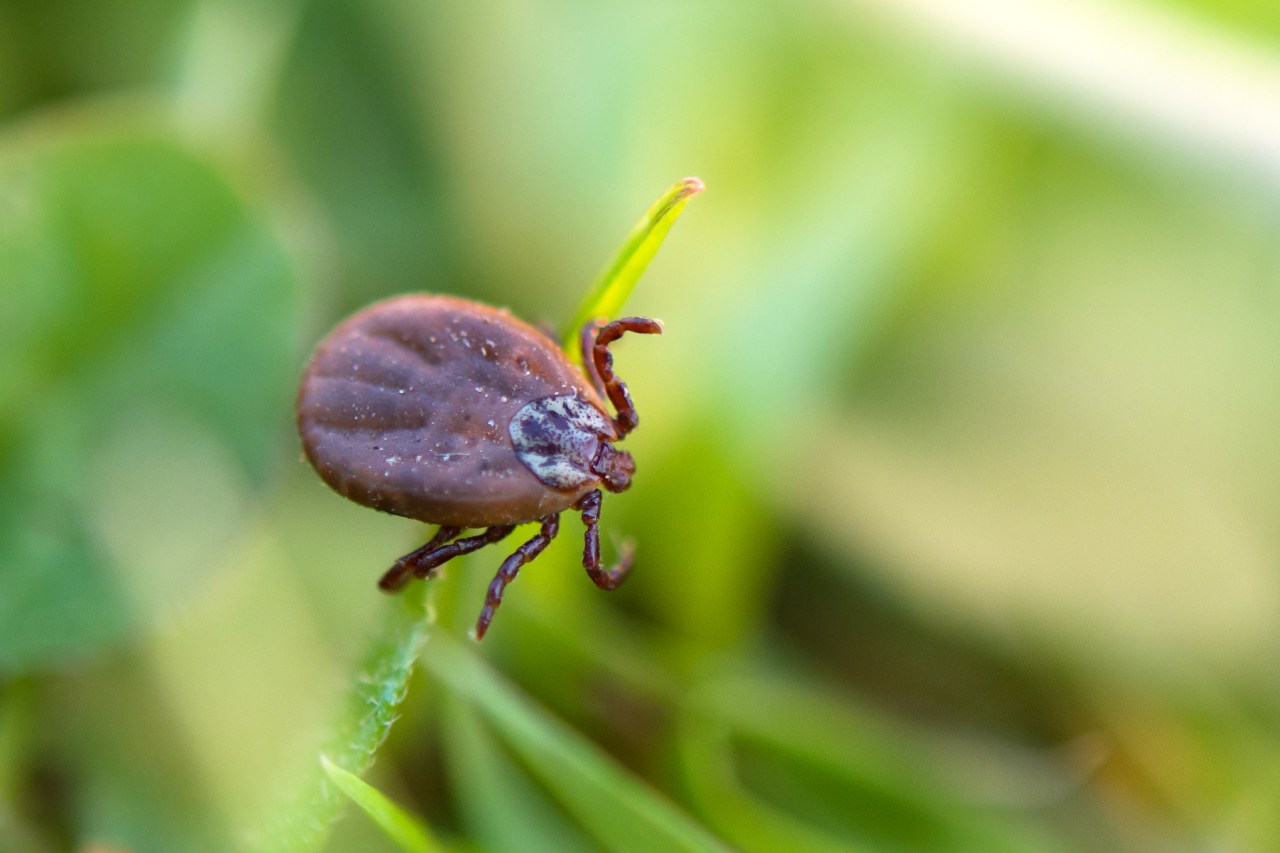
Many people are afraid of ticks because they can carry dangerous diseases. But just how dangerous are they? When is a vaccination recommended?

A pack of potato chips instead of a bowl of salad – a few hours on the couch instead of at the gym: we constantly break our resolutions and surrender to the commands of a very selfish brain. Yet, anyone can beat laziness. What slows us down, what keeps us going? How can we overcome the motivation killers in our heads?

Roses are red, violets are blue – the world in all its beauty appears colorful and bright. But a closer look reveals a different picture: In reality, the world is not as colorful as we see it.

Just ten minutes of acute oxygen deficiency can cause irreparable damage to our brain. If it lasts longer, we become unconscious and fall into a coma.
What happens in my body during withdrawal? How long does it take my head to get clean? Is there a vaccination against drugs? Toxicologists, psychologists and doctors explain why our brain poisons itself and what the consequences are when we go to war against addiction.

What if we were able to cure even the most serious illness using only the power of our thoughts?

Music brings people together, makes us dance, sing, and sometimes even cry. This effect has been scientifically proven.
What made Einstein’s brain different from other people’s? And why was the world’s most ingenious thinking organ stored in a mayonnaise jar?